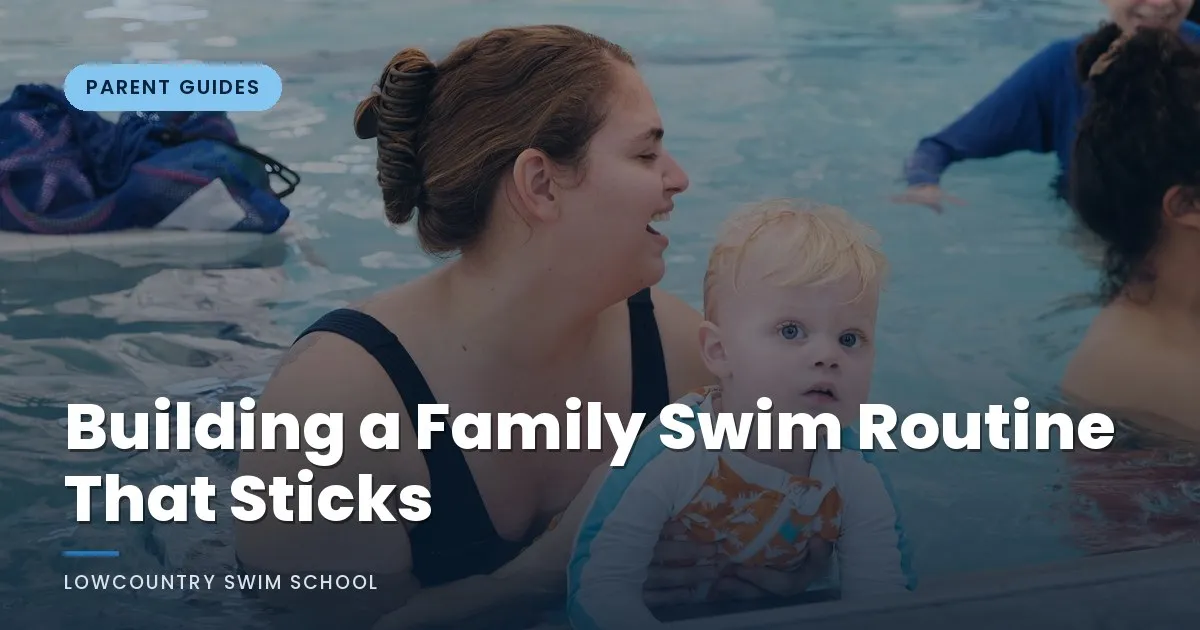
Building a Family Swim Routine That Sticks
Building a Family Swim Routine That Sticks
Families who swim year round end up with children who swim well. The difference is almost never talent, it is routine.
Book swim lessons →The families whose children end up genuinely confident in the water are rarely the ones who found a brilliant intensive course. They are the ones for whom swimming became an ordinary, unremarkable part of the week, like football practice or piano.
That is good news, because a routine is something you can build deliberately. It just needs a bit of design rather than good intentions.
Consistency beats intensity
A swimmer who has a lesson every week for a year will nearly always be further along than one who did two intensive weeks in the summer and nothing else. Skills need repetition spread over time to become automatic.
What makes a routine survive
These are the things that separate a habit that lasts from one that fades in October.
A fixed slot
Same day, same time, every week. A routine that has to be decided each week eventually gets decided against.
Year round, not seasonal
Treating swimming as a summer activity means losing ground every winter and rebuilding every spring.
Everyone in the water
Families where the adults swim too produce children who see it as normal rather than as a chore they will grow out of.
Convenience matters
A pool that is genuinely easy to get to gets used. One that requires a long trip does not, however good it is.
The right time of day
Not straight after school when everyone is exhausted, not so early it becomes a fight. This is worth getting right.
Enjoyment protected
Some water time that is purely for fun, with no goals attached, keeps the whole thing sustainable.
The seasonal trap
The most common pattern in swim schools is a rush of enrolments in late spring, a busy summer, and a sharp drop in the autumn. Children who follow that pattern spend a large part of every year losing skills and the first part of every summer rebuilding them.
Children who swim through the year do not have that cycle. They arrive each summer better than they finished the last one, and the compounding effect over a few years is substantial.
There is a safety dimension too. Water does not become dangerous only in July. Holiday travel, indoor pools, and the general reality of living in the Lowcountry mean children are around water all year, and their skills should be too.
Building it this month
A practical sequence rather than a resolution.
Pick the slot before the pool
Work out which day and time actually fit your family for the next six months, then find lessons that fit it. Doing it the other way round rarely holds.
Book ahead
Commit to a block rather than week by week. A booked lesson is far more likely to happen than an intended one.
Add one unstructured swim
Somewhere in the week, some pool time with no agenda. This is what keeps children wanting to go.
Protect it through the awkward months
The autumn is where routines die. Getting through it once usually means the habit holds.
Options that fit different families
Group classes, with a maximum of three swimmers, work well for children who enjoy learning alongside others and for families where cost and sociability both matter.
Semi private lessons, with two swimmers, suit siblings or friends who want more attention while keeping some of the social element.
Private lessons are one on one and give the fastest, most personalised progress, which suits swimmers working through a specific barrier or families whose schedules need flexibility.
We teach across the greater Charleston area at pool locations including John's Island and Scott Park on Daniel Island, and at private home pools for families who prefer lessons in a familiar setting.
 John's Island
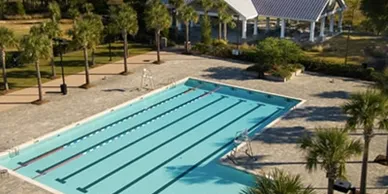 Pierce Park Pool
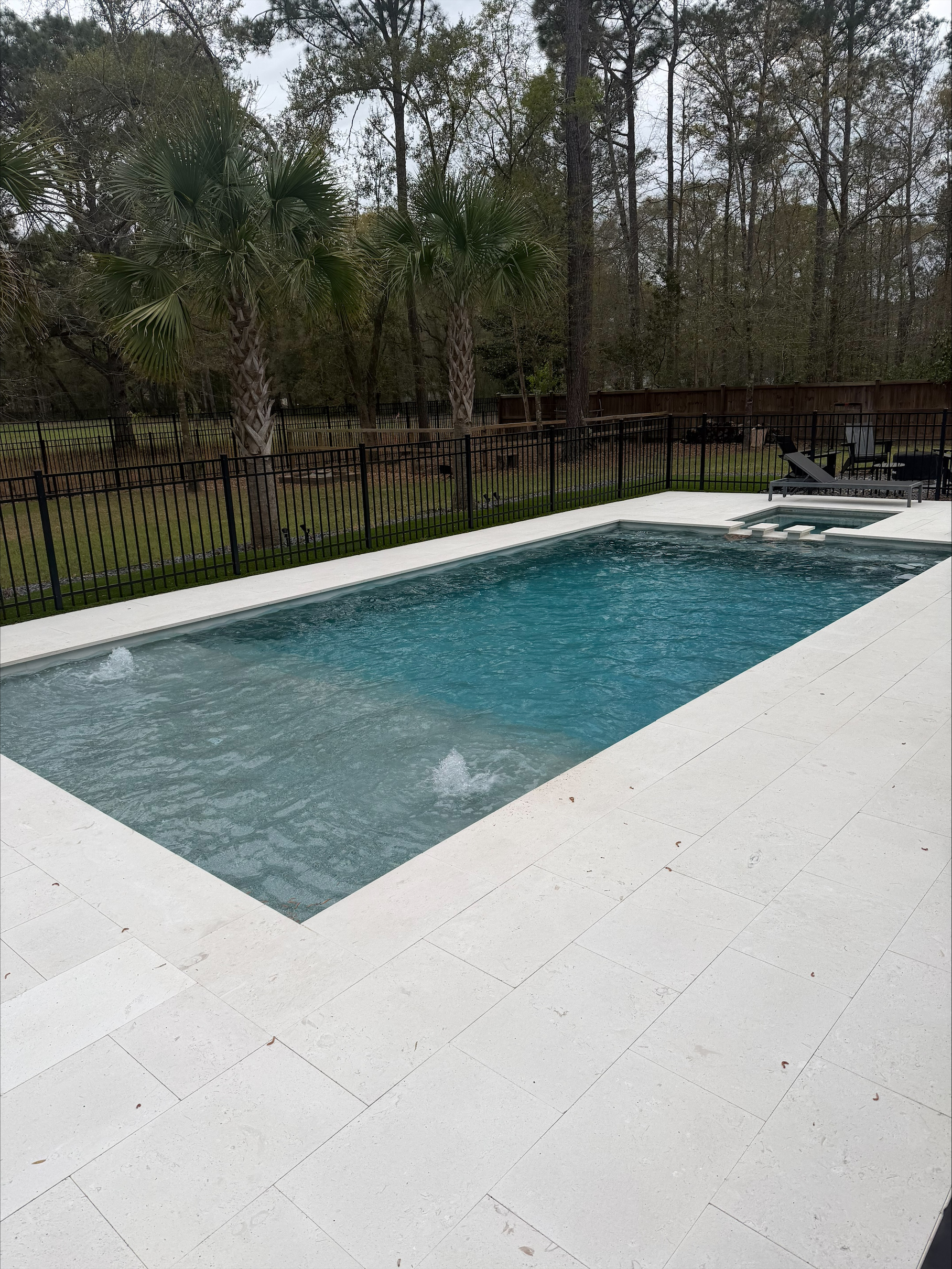 Private Home Pools
Frequently asked questions
Is it better to swim all year or just in summer?
How often should a family swim to build a habit?
What is the best time of day for swim lessons?
Should parents swim too?
Do you offer lessons at home pools?
Related reading
Make swimming part of the week
A weekly slot, small classes, and a progression that keeps building. That is what turns lessons into a swimmer.
Register for swim lessons →